We compared manufacturer specs, manuals and warranty terms. We have not hands-on tested these products yet. How we research
We may earn a commission when you buy through links on this page. As an Amazon Associate I earn from qualifying purchases. How we make money
An instant tent trades some weather protection and packability for speed. If you camp for one or two nights, or you pitch in a hurry after a long drive, that can be a good trade. The decisions that matter are setup time, whether the fly is included, and how big the packed tent is. Our family tent guide covers the size questions that apply to every tent, instant or not.
We compared 4 instant tents and picked 4.
Our picks at a glance
1
Best overallGazelle T4 Hub TentA hub-style pop-up that Gazelle says sets up in about 90 seconds, with steep walls and real headroom.
Currently unavailable on Amazon
2
Best valueCORE 6-Person Instant CabinPre-attached poles and a cabin shape at a mid-range price for small families.
Currently unavailable on Amazon
3
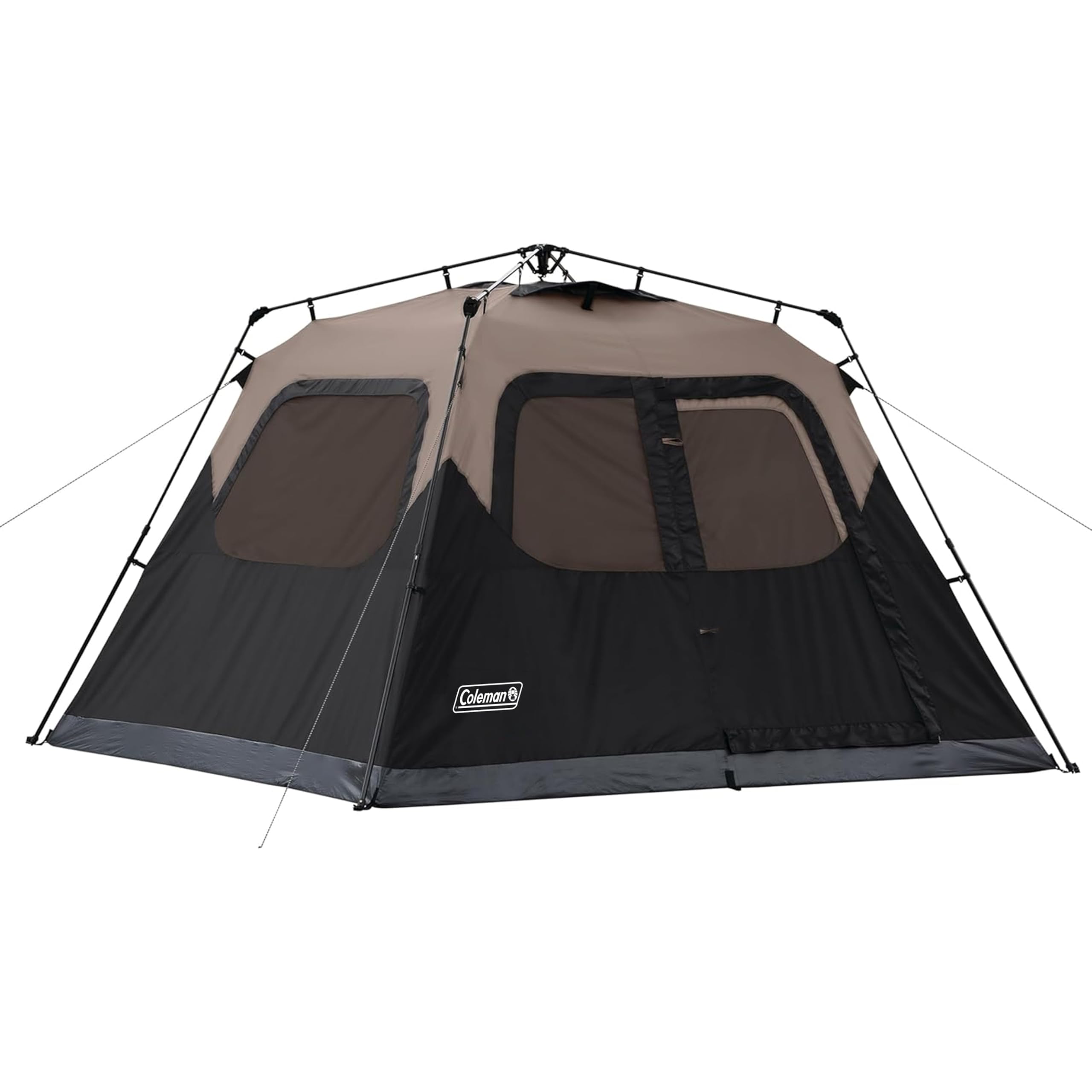
Best for first-timersColeman Instant Camping TentColeman's instant tent claims a one-minute setup, and it comes in sizes from 4 to 10 people.
Currently unavailable on Amazon
4
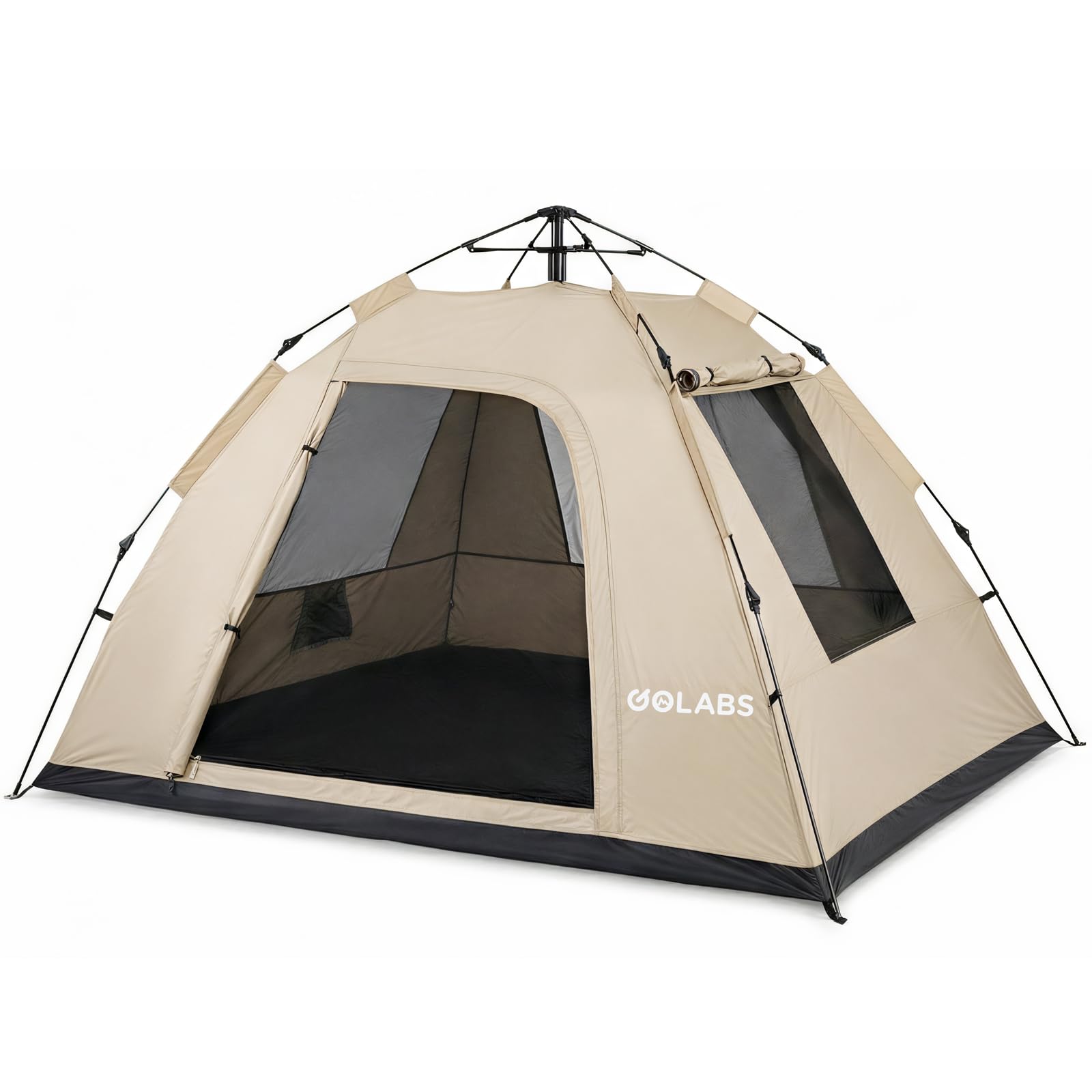
Best budgetGolabs Pop-Up Tent 2/3 PersonA small pop-up tent with pre-attached poles at a very low price, for festivals and short trips.
the whole point of an instant tent is a short, simple setup.
Frame durability
pre-attached poles and hubs are the parts that bend, snap or stick.
Weather protection
an instant tent may have only a partial fly, which changes how it handles rain.
Packed size
instant tents pack long and round, so check the trunk before you buy.
Floor area and height
the same person rating can mean very different living space.
We compared 4 instant tents that fit this page and picked 4.
Sources: manufacturer product pages, manuals and warranty terms, plus CDC, CPSC and NPS guidance.
Specs as listed: every value in our table comes from the manufacturer or seller listing. Setup times are maker-stated. A dash means the listing does not give that spec.
We have not hands-on tested these products. Full method
The best instant tents
1. Best overall: Gazelle T4 Hub Tent
Best overall
Why we picked it
A hub-style pop-up that Gazelle says sets up in about 90 seconds, with steep walls and real headroom.
Pros
About 90-second stated setup
Steep walls for headroom
Cons
Long and heavy when packed
Key specs
Floor area (sq ft)
61 square_feet
Packed weight (lb)
30 pounds
Currently unavailable on Amazon
2. Best value: CORE 6-Person Instant Cabin
Best value
Why we picked it
Pre-attached poles and a cabin shape at a mid-range price for small families.
Pros
Pre-attached poles
Cabin-style headroom
Cons
Heavier than dome tents
Key specs
Setup time (maker) (min)
60 seconds
Floor area (sq ft)
99 square_feet
Packed weight (lb)
23 pounds
Currently unavailable on Amazon
3. Best for first-timers: Coleman Instant Camping Tent
Best for first-timers
Why we picked it
Coleman's instant tent claims a one-minute setup, and it comes in sizes from 4 to 10 people.
Pick on setup, frame and weather cover first, then check the packed size. For a side-by-side of the two styles, read instant tent vs dome tent.
Setup time and people needed
Setup time is maker-stated, so treat it as a best case. Read the listing for how many people the maker suggests, and whether you have to stake out the corners or attach a fly. A tent that goes up in a few minutes but needs two people is still fine for most families. Practice the first pitch at home in daylight, so you learn the stakes and fly before you reach the campground.
Frame durability
The frame is permanently attached, so a bent pole can end a trip. Look at how the hubs and joints are built, what the frame is made of and what the warranty covers. Our instant tent vs dome tent comparison explains how hubs and classic poles differ in durability. Read what the warranty says about the frame and hubs in particular.
Weather protection
Check whether a full rainfly is included and whether it is separate from the body. Many instant tents rely on a partial fly. Look for a stated waterproof rating and sealed seams, and compare ratings only between tents that list one. Pitch it away from low spots where water could collect, and set the fly as the manual shows. Rain gear for the tent itself, such as a groundsheet or footprint, is only worth buying if the maker lists one for your model.
Packed size
The folded frame makes a large disc or a long tube. Compare the packed size column with your trunk or roof box. A tent that is easy to pitch but will not fit in the car does not help you. The folded shape also decides where the tent lives at home, so measure the closet or garage shelf too.
Floor area and height
As with any tent, maker person ratings assume a tight fit. Compare floor area and peak height, and check how much of the interior has standing room. Our family tent buying guide explains how to read these specs. Count the gear as well as the people: bags, a cot or a dog all take real floor space.
Tips for using your instant tent
Practice the fold-up at home. Collapsing a pop-up frame has its own technique, and the manual shows it.
Use the vestibule for gear only. Never cook under it or inside the tent: see our carbon monoxide guide.
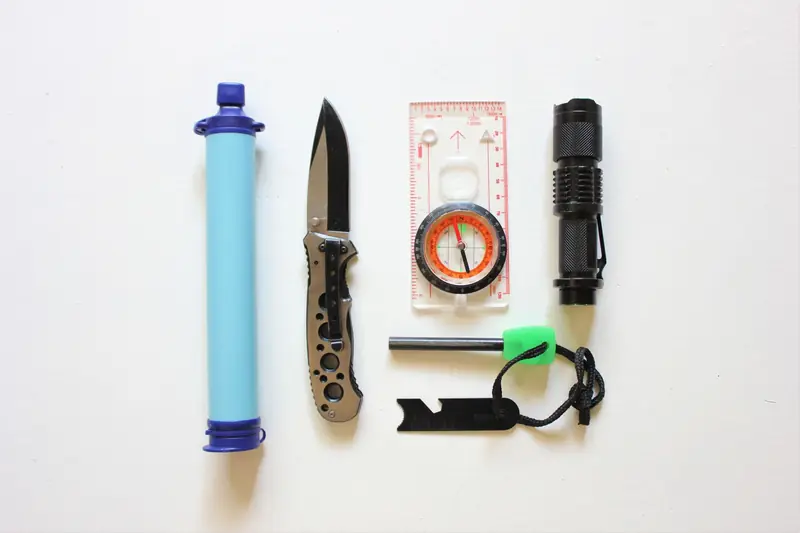
Add the items from our camping checklist, including emergency shelter if you hike away from camp.
Leave No Trace advises camping on durable surfaces (NPS).
Smokey Bear says to build a fire at least 15 feet from tents, vegetation and low-hanging branches (Smokey Bear).
NPS lists emergency shelter, such as a tent, tarp, bivy or space blanket, among the Ten Essentials (NPS).
Check fire restrictions before you plan an evening around the fire; Smokey Bear says not to build one where the rules prohibit it (Smokey Bear).
FAQ
Are instant tents good in rain?
That depends on the model. Check whether a full rainfly comes with it and whether a waterproof rating is listed, because many instant tents rely on a partial fly.
Can I cook under the vestibule?
No. CDC names portable gas camp stoves as carbon monoxide sources that must never be used indoors, and a tent with the door closed counts as indoors (CDC; CPSC).
Do I still need emergency shelter on hikes away from camp?
Yes. NPS counts emergency shelter among the Ten Essentials; a tent, tarp, bivy or emergency space blanket all qualify (NPS).
How do I protect the area where I camp?
Stick to durable surfaces when you travel and camp, per Leave No Trace (NPS).
Which camp gear makes carbon monoxide, the symptoms and where each can safely go.
Pine & Pitch
The Weekend Camping Checklist
Ten Essentials packed: map, sun protection, extra layer, headlamp and spare batteries, first aid, fire, repair kit, extra food, water treatment and emergency shelter.
Sleeping bag chosen by its ISO Comfort rating, not its Extreme rating.
Sleeping pad R-value checked (ASTM F3340).
Cooler thermometer reads 40°F or below, and drinks ride in a separate cooler.
pine-and-pitch.com
Get the Weekend Camping Checklist
A printable checklist covering the NPS Ten Essentials, the ratings to check on your sleep gear, safe cooler temperatures and the fire and carbon monoxide rules. No charge, and sized to hang on the fridge.