We compared manufacturer specs, manuals and warranty terms. We have not hands-on tested these products yet. How we research
We may earn a commission when you buy through links on this page. As an Amazon Associate I earn from qualifying purchases. How we make money
A cooler keeps food safe as much as it keeps drinks cold. For a weekend trip the decisions that matter are capacity, build quality, how heavy it is when empty and whether it needs wheels. This page is for car campers who plan meals around the cooler and want to keep food at a safe temperature. Cold storage also depends on ice, shade and how often the lid opens, which our camping food safety guide walks through.
We compared 6 coolers and picked 6.
Our picks at a glance
1
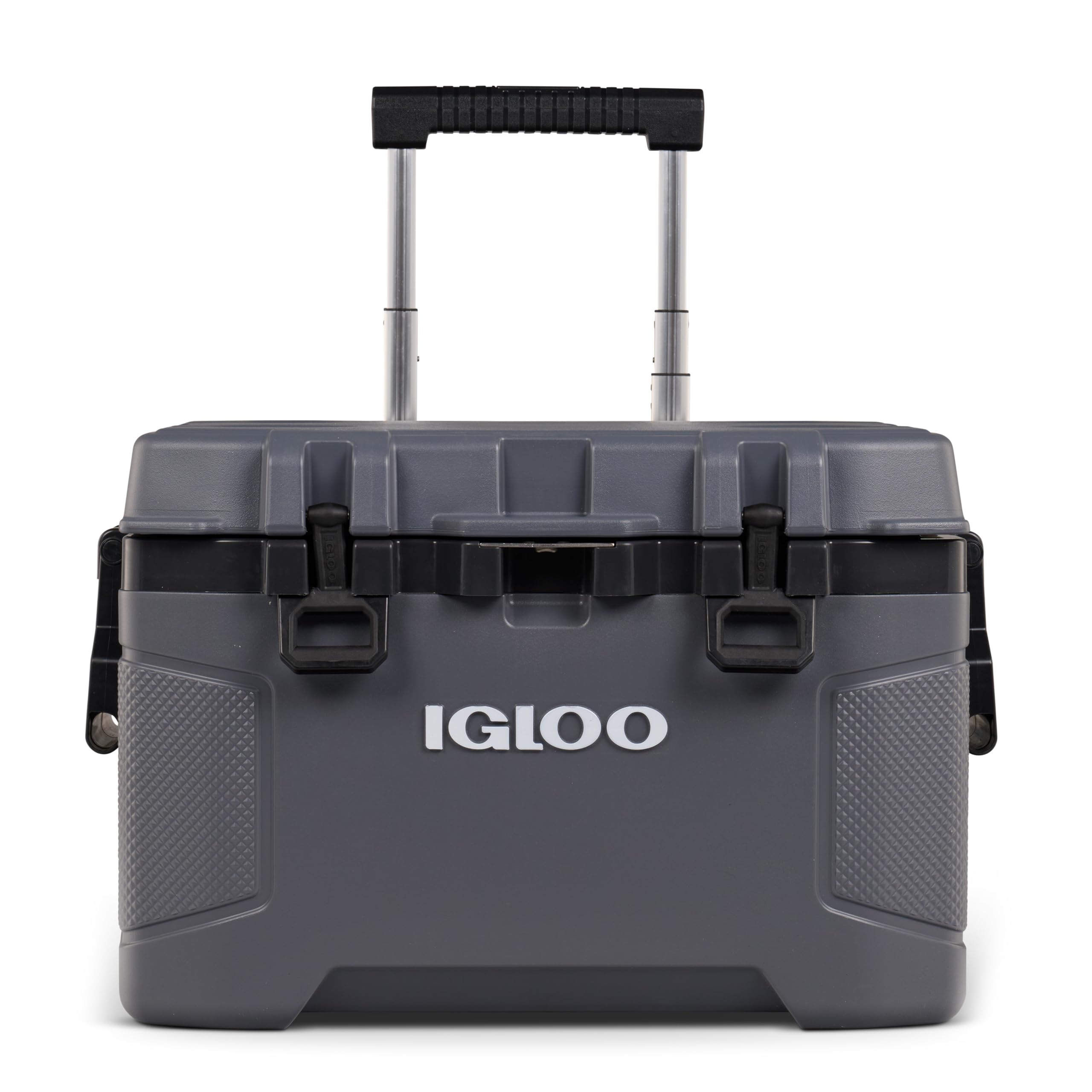
★ Start hereBest overallYETI Tundra 45A rotomolded cooler with thick insulation, rubber latches and certification as bear-resistant when padlocked.
$325.00Price as of Nov 24, 2026, 7:16 PM ET. Details
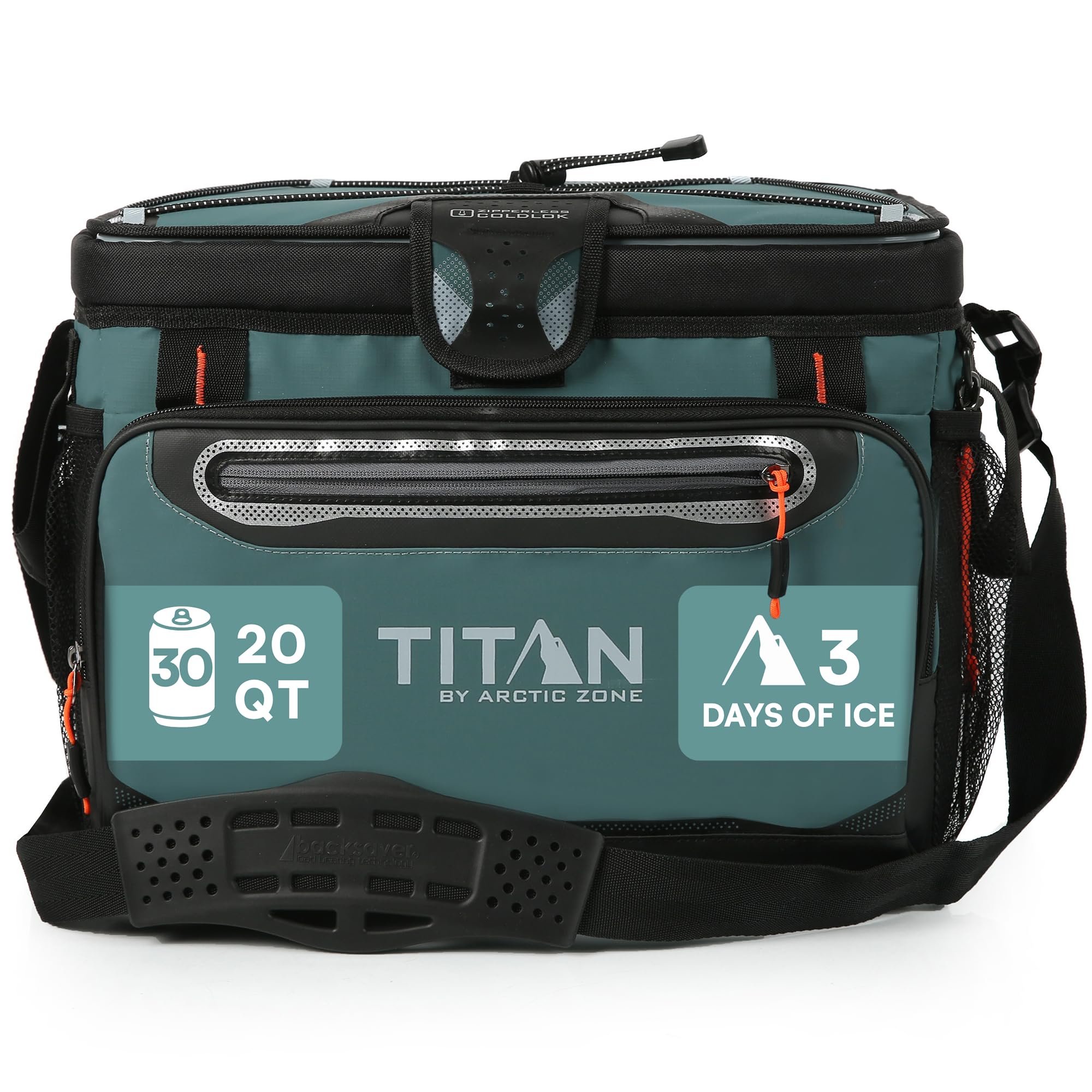
Best soft coolerTitan Zipperless HardBody Cooler (30 can)A 30-can soft cooler with a flip-open lid and a removable hard liner, for day trips and short camps where a big chest is too much.
$49.99Price as of Nov 25, 2026, 7:12 PM ET. Details
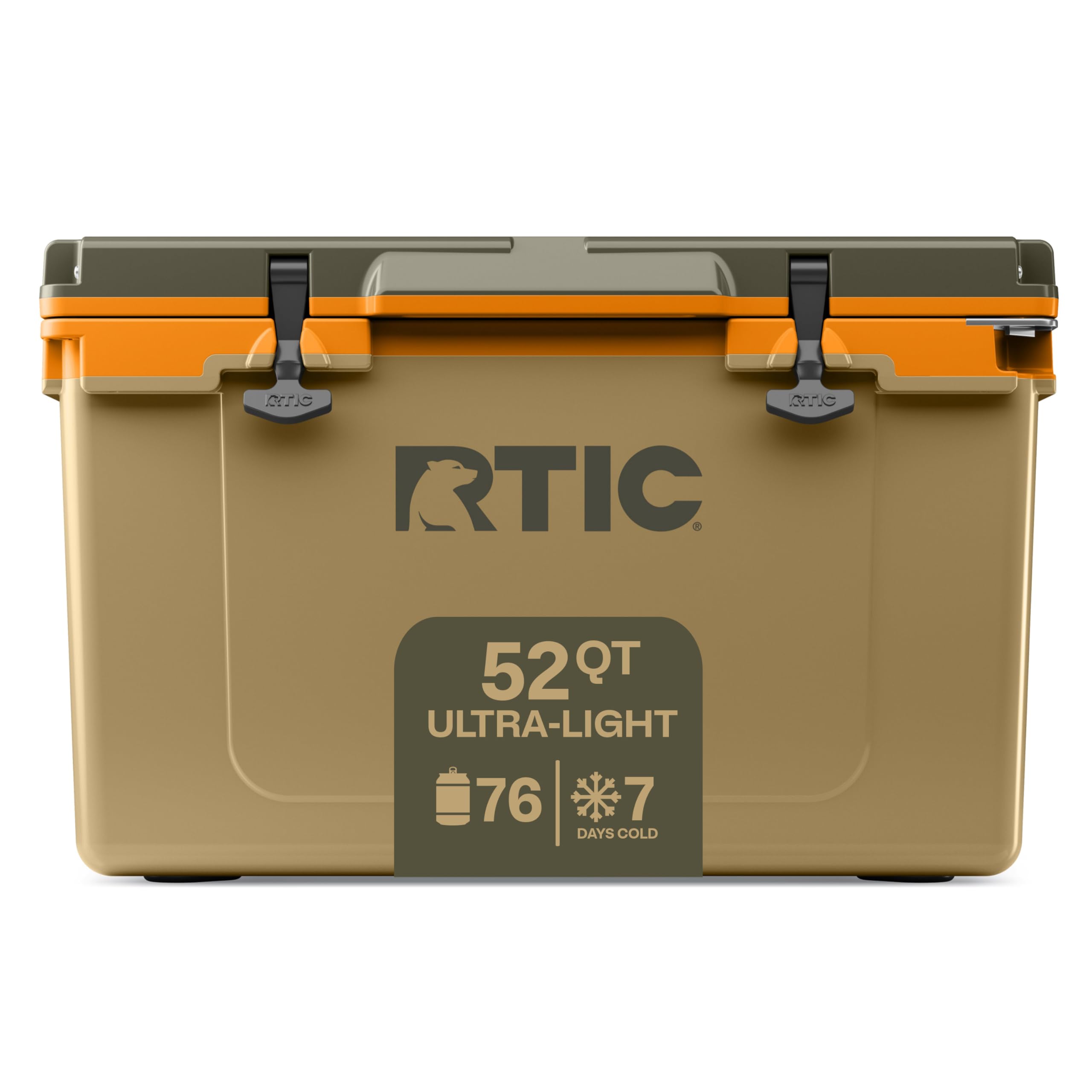
Lightest hard coolerColeman Chiller 48 Qt Hard CoolerIn the 48 qt size, a light hard cooler with foam insulation and a lid that doubles as a seat, for group camps and cookouts.
$54.99Price as of Nov 25, 2026, 7:14 PM ET. Details
Specs as listed: every value in our table comes from the manufacturer or seller listing. Ice retention is a maker claim. A dash means the listing does not give that spec.
We have not hands-on tested these products. Full method
Choose capacity for the trip, then check build, drain and wheels. Our camping food safety guide covers how to pack the cooler, and a camp stove completes the kitchen.
Capacity for trip length
Pick the capacity for your group and trip length, in quarts. A full cooler stays cold longer than a half-full one, so do not buy far more than you need. Many campers use one cooler for food and a second for drinks, as our camping food safety guide explains. USDA says a full cooler keeps food cold longer than a half-full one (USDA), so match the size to the food you will really pack.
Ice retention claims
Ice retention is a maker claim made under the maker's own conditions. Use it to compare coolers from the same maker, not as a promise. Your real results depend on how full the cooler is, the shade and how often you open it. Frozen gel packs and drinks frozen solid also help keep food cold, as USDA notes (USDA).
Insulation and build
Check the wall insulation type and the lid seal. Hard-sided coolers with thick walls usually hold cold longer than soft or thin ones, but they weigh more. The listing should state the wall construction. Ask what the lid and walls are made of, and read how the maker describes the seal instead of relying on thickness alone.
Drain plug
A drain plug is a small feature that saves a lot of effort. Check the Drain plug column and look for a plug you can open and close with one hand. Empty meltwater away from where you prepare food and where people walk.
Latches and gasket
Look for latches that hold the lid shut when the cooler is jostled in the trunk and for a gasket around the lid. Read what the warranty says about hinges and latches. A lid that stays shut matters because every opening lets warm air in; USDA notes that a drink cooler opened often swings in temperature (USDA).
Wheels, handles and weight
Wheels help over paths and parking lots but add weight and can take space inside. Compare empty weight, since the load will be added to it. Look for handles that give a grip for two people. Plan the route from the car to the site before you buy; a cooler that will not roll over roots or gravel is heavier than its weight column suggests.
Tips for using your cooler
Put an appliance thermometer in the cooler, as USDA suggests (USDA).
Use two coolers: one for drinks, one for food. See our food safety guide.
Keep the cooler in the shade, and remember perishable food should not sit out long (USDA).
USDA says perishable food shouldn't sit out more than 2 hours, or 1 hour when it is above 90°F, and its rule is "when in doubt, throw it out" (USDA).
University of Maine Extension lists camp cooking temperatures of 145°F for steaks, roasts and fish, 160°F for ground meat and egg dishes and 165°F for poultry (University of Maine Extension).
FAQ
How cold should a camping cooler be?
Stay at or below 40°F, and USDA suggests a thermometer inside the cooler to confirm it (USDA).
Should drinks go in a separate cooler?
Yes. A drink cooler gets opened constantly, and the temperature swings that causes are why USDA suggests keeping food in its own cooler (USDA).
Does a full cooler stay colder?
Yes, a full one holds cold longer than a half-full one, says USDA, and shade helps too (USDA).
How long can food sit out at camp?
Two hours is the limit for perishables, shrinking to 1 hour once the temperature passes 90°F (USDA).
Floor area, standing height, rain cover and setup for family and cabin tents.
Pine & Pitch
The Weekend Camping Checklist
Ten Essentials packed: map, sun protection, extra layer, headlamp and spare batteries, first aid, fire, repair kit, extra food, water treatment and emergency shelter.
Sleeping bag chosen by its ISO Comfort rating, not its Extreme rating.
Sleeping pad R-value checked (ASTM F3340).
Cooler thermometer reads 40°F or below, and drinks ride in a separate cooler.
pine-and-pitch.com
Get the Weekend Camping Checklist
A printable checklist covering the NPS Ten Essentials, the ratings to check on your sleep gear, safe cooler temperatures and the fire and carbon monoxide rules. No charge, and sized to hang on the fridge.